
Laser Surface Preparation
LaserGT provides laser-based surface preparation for rust, coating, paint and contamination removal on selected industrial maintenance and repair scopes.
Built for areas where blasting, waterjetting or mechanical preparation create too much burden through containment, cleanup, waste handling, access limitations and disruption to surrounding work.
We do not just clean the surface. We reduce the burden around surface preparation.
01
Zero
Abrasive
02
Controlled
Removal
03
Less Burden
Around the Job
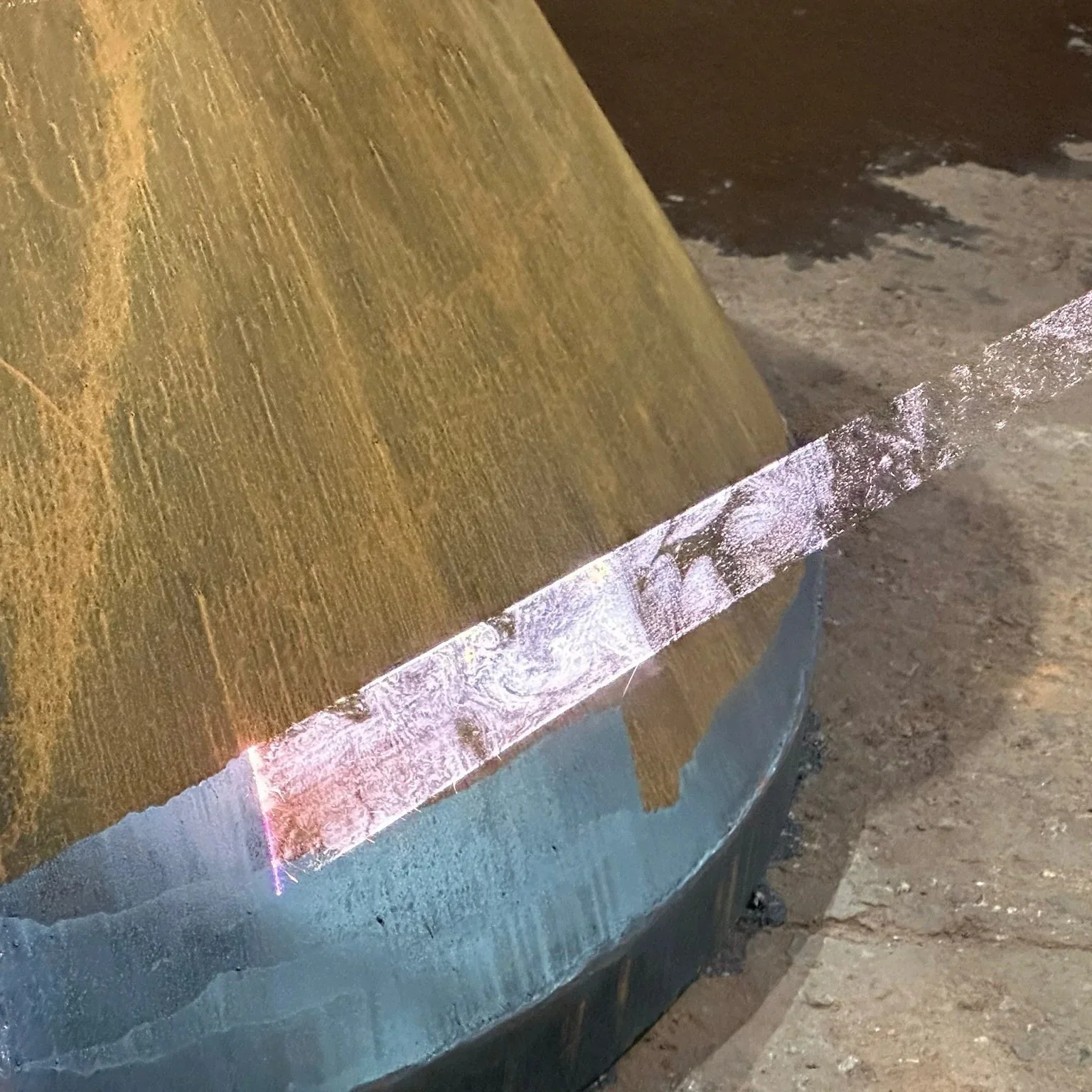
When surface preparation becomes bigger than the repair?
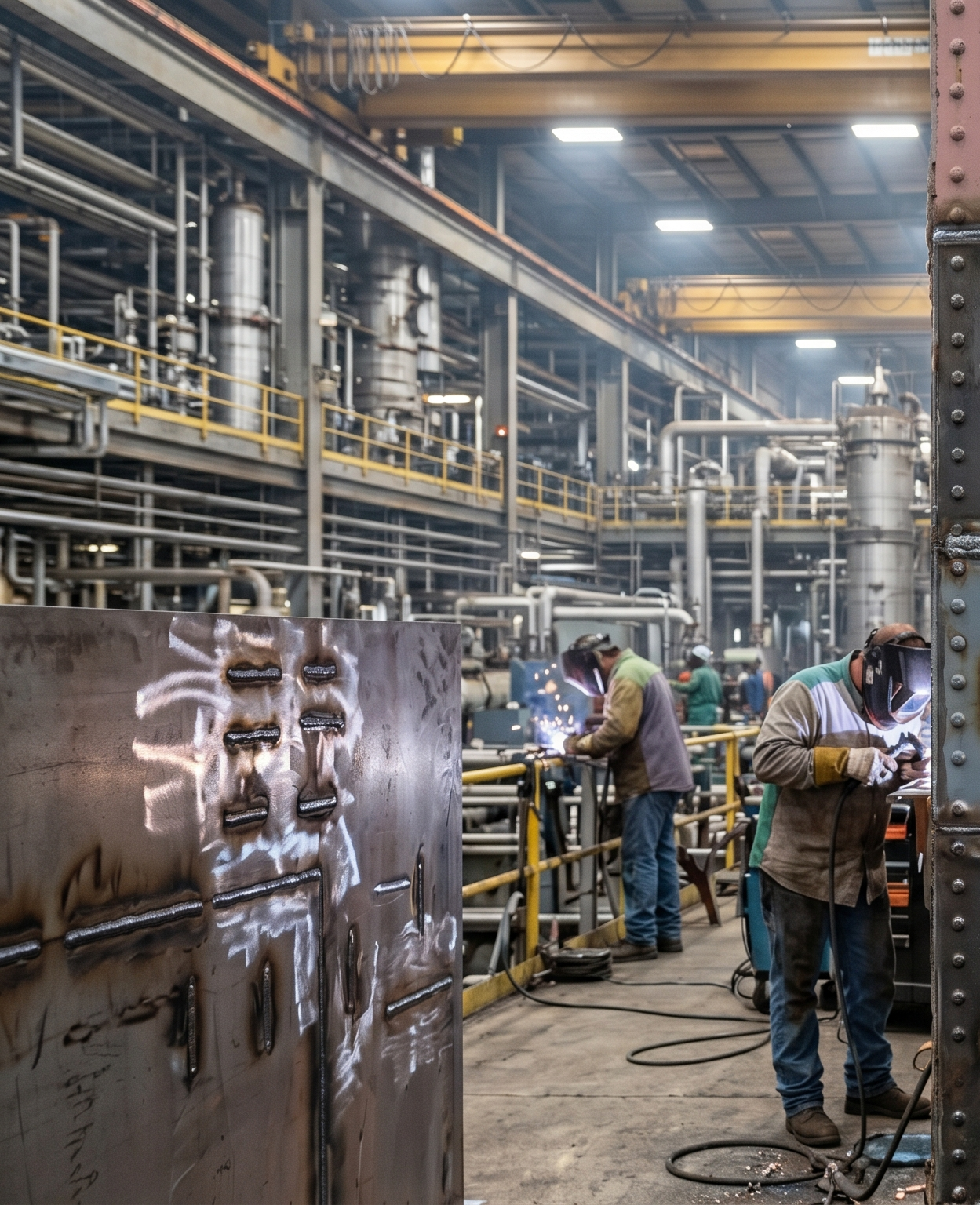
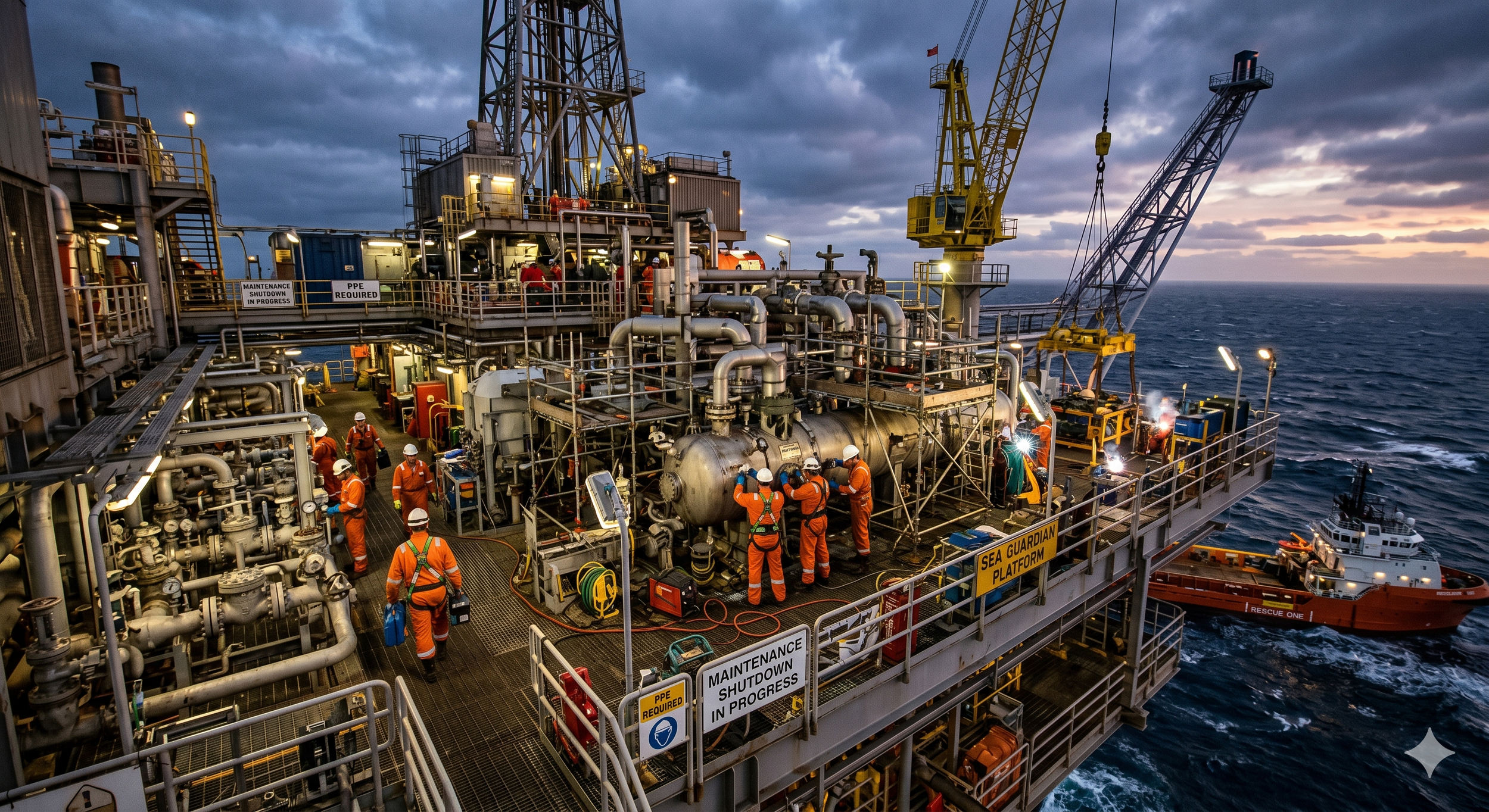
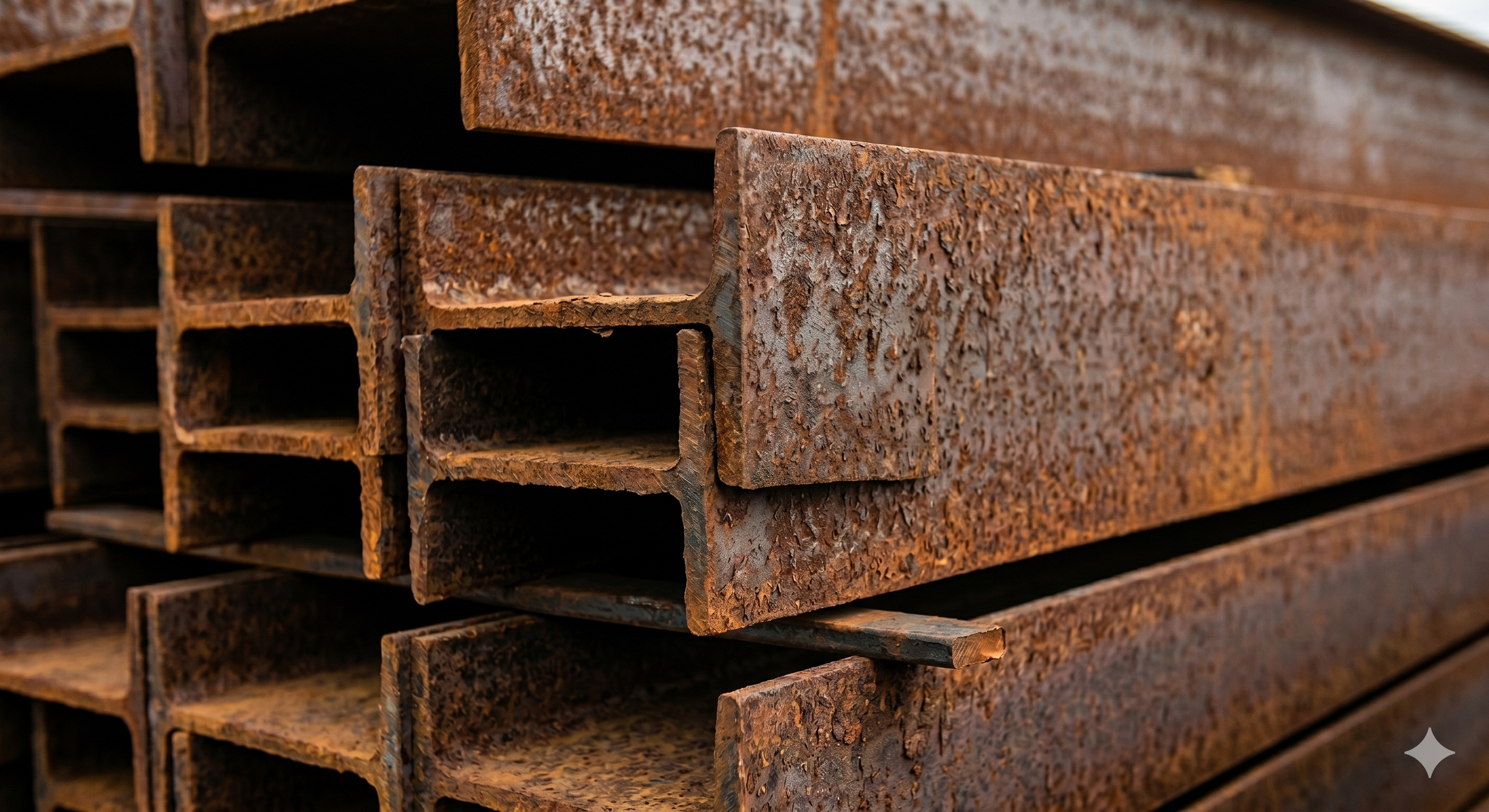
In drydock, offshore and industrial maintenance, the real cost is often not only the surface area being treated. The real cost sits around the job: abrasive media, water handling, containment, cleanup, disposal, access, ventilation, closed work fronts and disruption to parallel trades.
Abrasive blasting and waterjetting remain relevant for many large-area operations. But on smaller, complex or high-value scopes, the execution burden can become disproportionate to the actual repair.
Abrasive media
Water and wastewater handling
Containment
Dust, sludge and cleanup
Waste disposal
Closed work fronts
Access limitations
Ventilation requirements
Disruption to parallel work
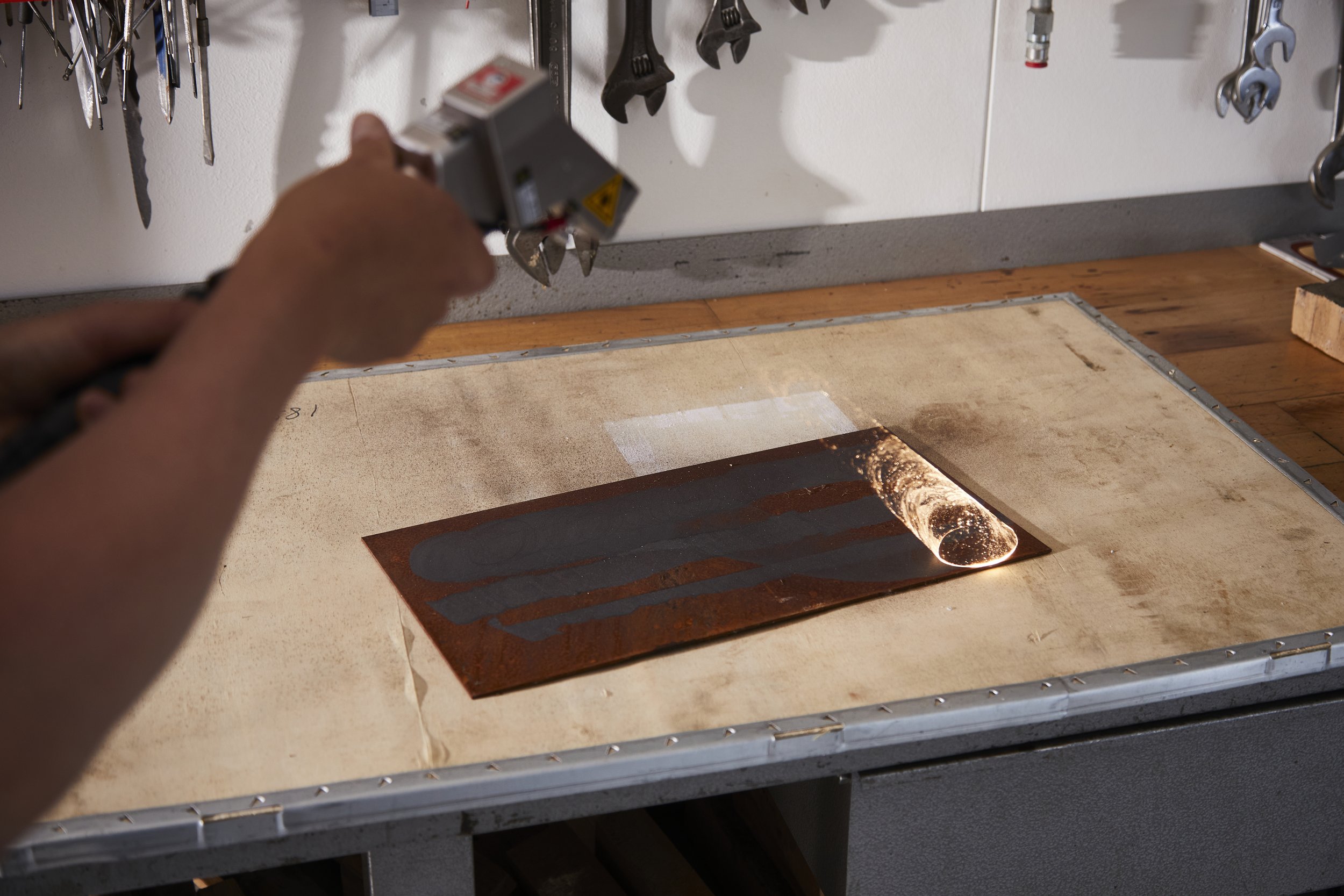
Dry, selective surface preparation without abrasive media
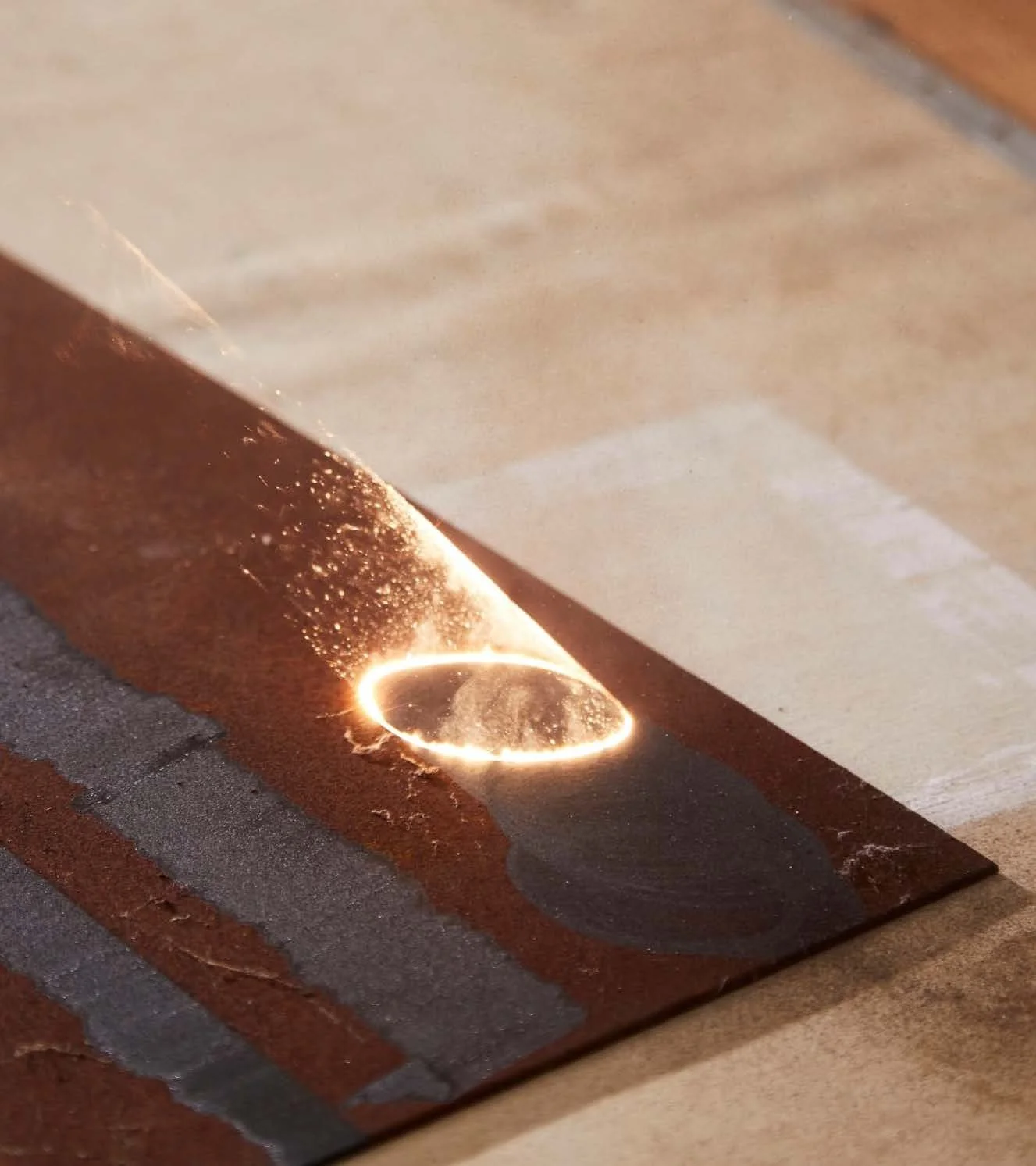
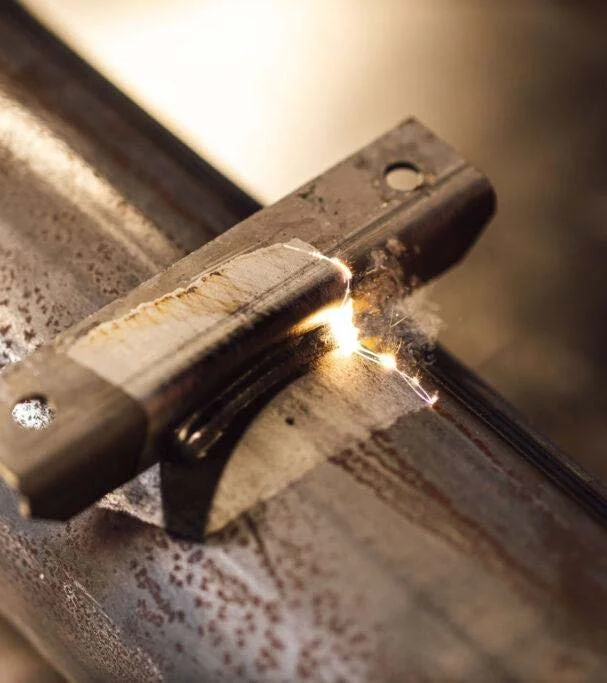
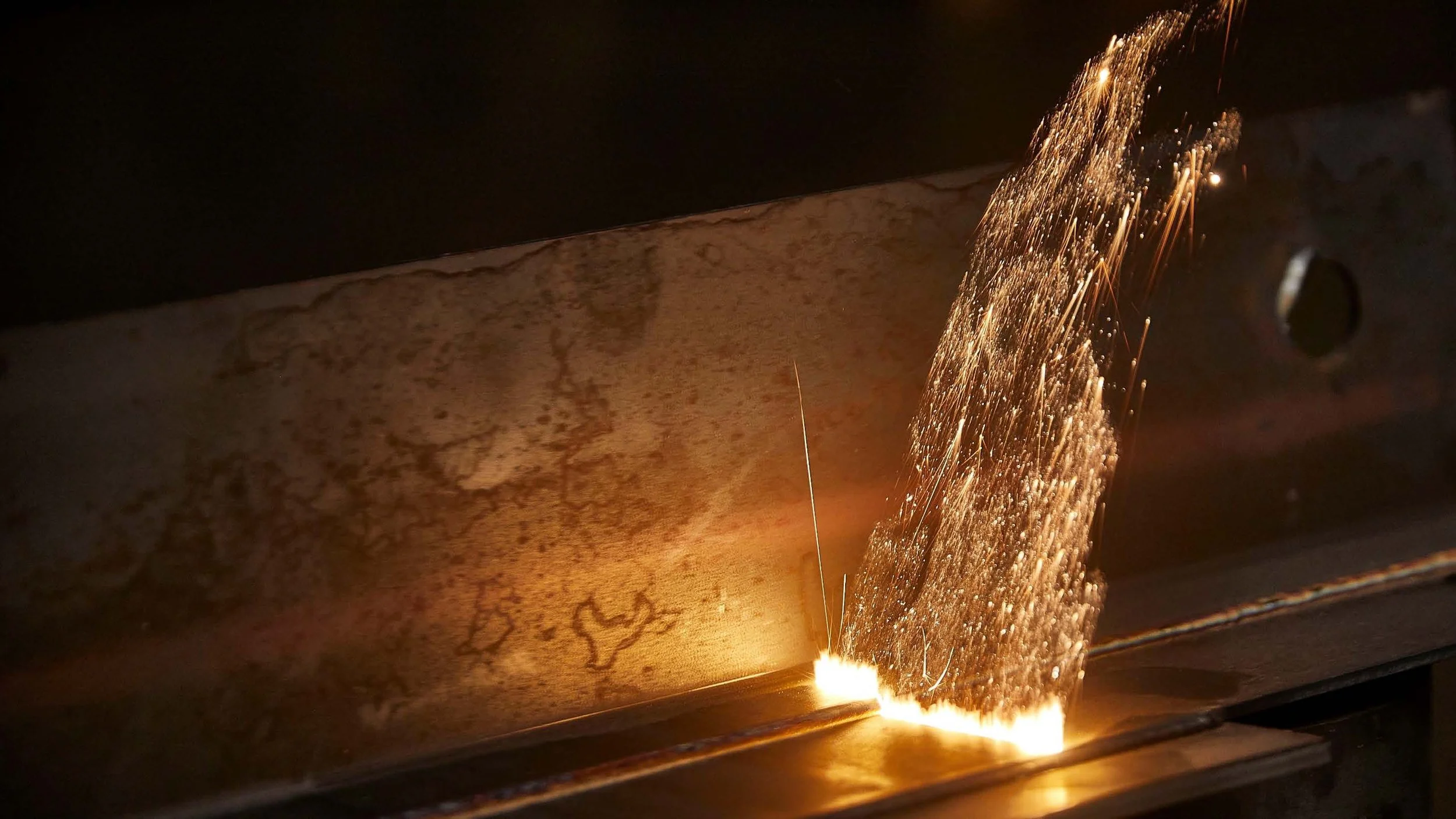
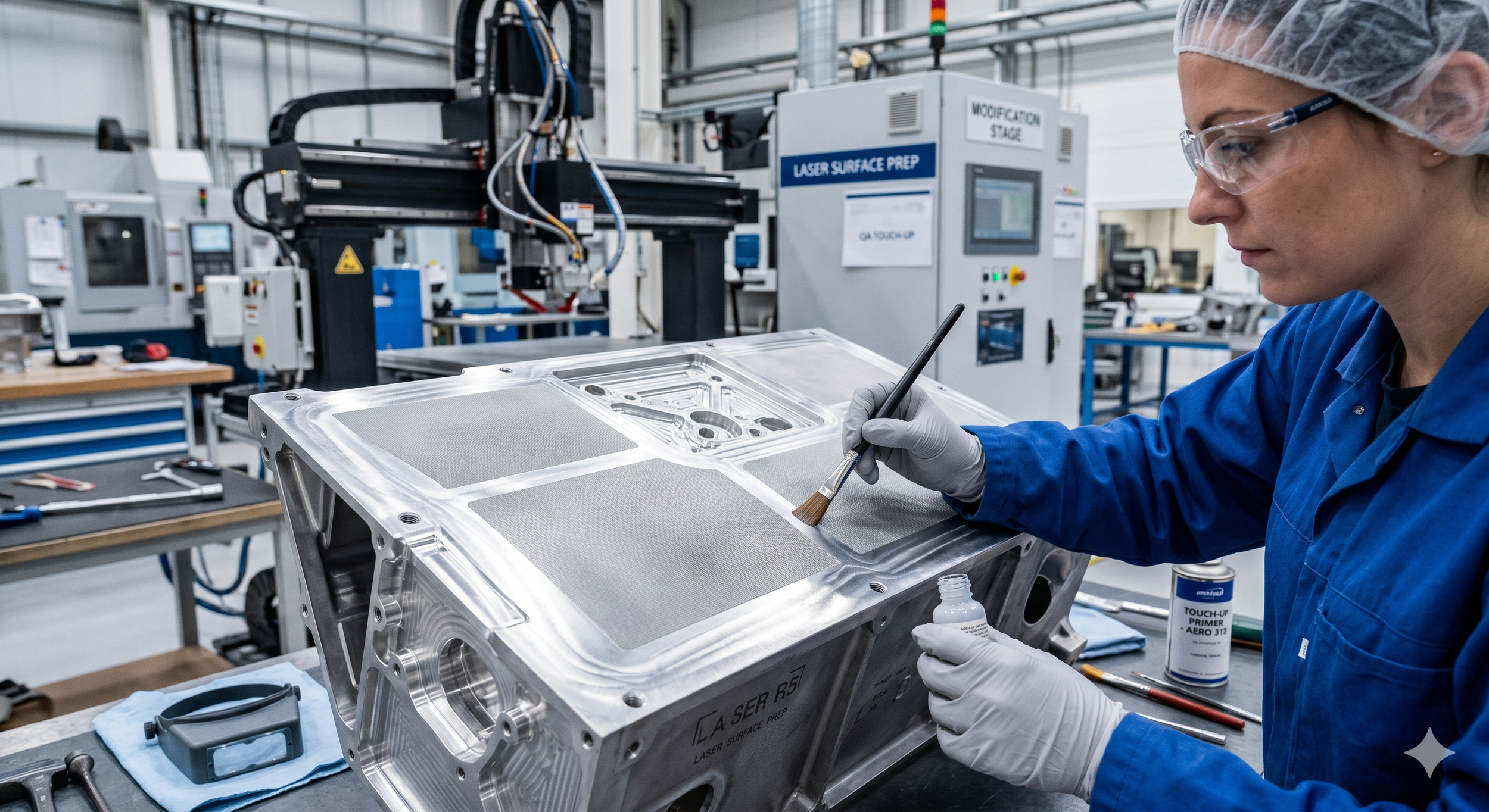
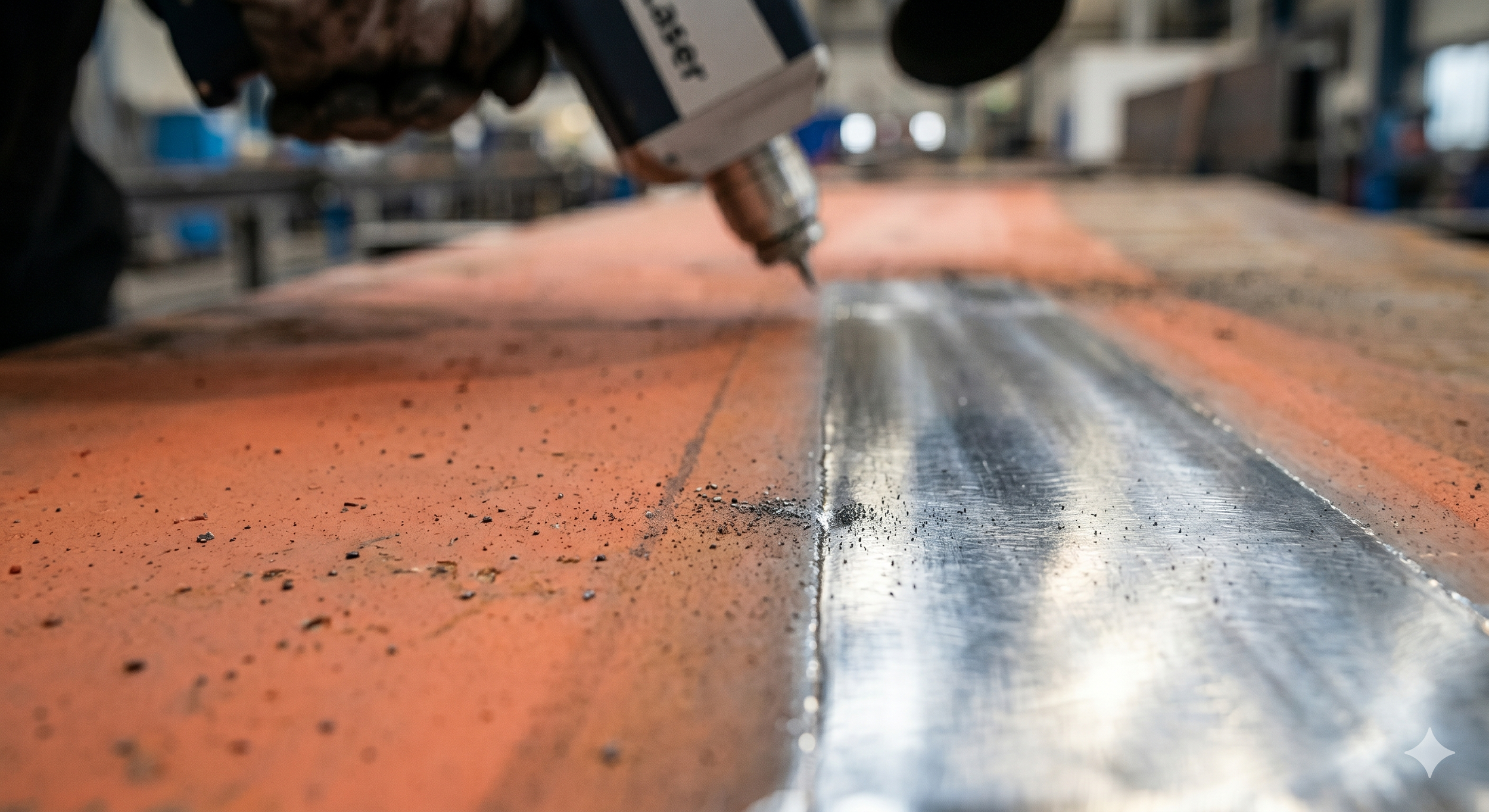
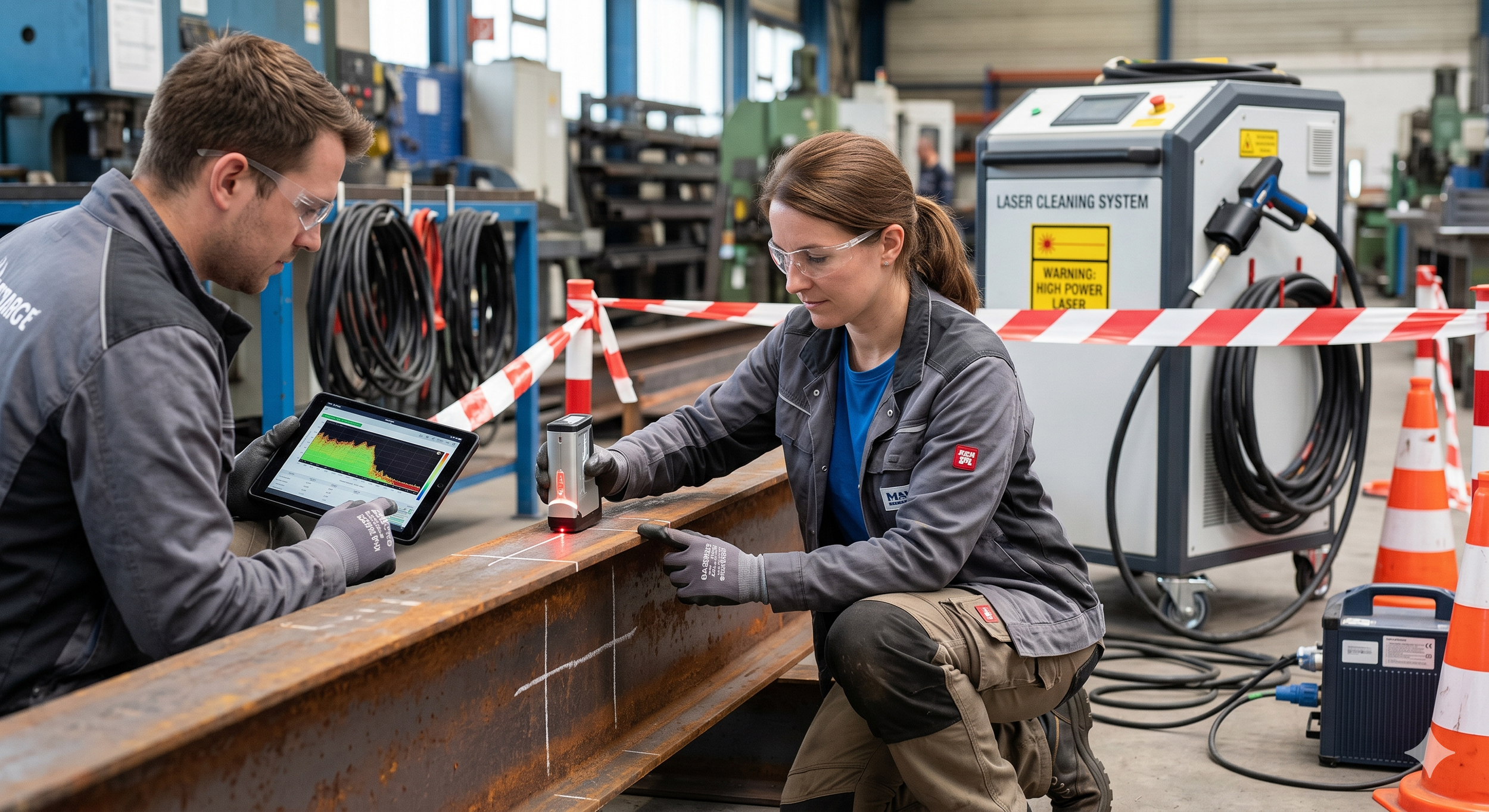
Laser surface preparation removes rust, coating, paint and contamination using controlled laser energy. The process is dry, precise and selective, with no abrasive media, no waterjetting and significantly less secondary waste.
It is not a one-method-fits-all replacement. It is a practical tool for the scopes where conventional methods make the job heavier than it needs to be.
-
![]()
No abrasive media
-
![]()
No Waterjetting
-
![]()
Reduced Cleanup
-
![]()
Reduced waste handling
-
![]()
Controlled removal
-
![]()
Selective Treatment
-
![]()
Fast Setup on Selected Scopes
-
![]()
Suitable for Complex Geometry





Built for selected maintenance and repair scopes
Laser surface preparation is strongest where the work is local, complex, access-limited or sensitive to surrounding operations.
-
![]()
Local corrosion
-
![]()
Coating Failure
-
![]()
Paint and Coating Removal
-
![]()
Weld and Repair Zones
-
![]()
Touch-up After Modification
-
![]()
Shopprimer Removal
-
![]()
Tanks and Confined Spaces
-
![]()
Pipes, Brackets and Supports
-
![]()
Difficult Geometry
-
![]()
Inspection Preparation
-
![]()
Drydock Repair Scopes
-
![]()
Offshore Shutdown Scopes
-
![]()
Secondary Steel
-
![]()
Maritime Equipment & Components
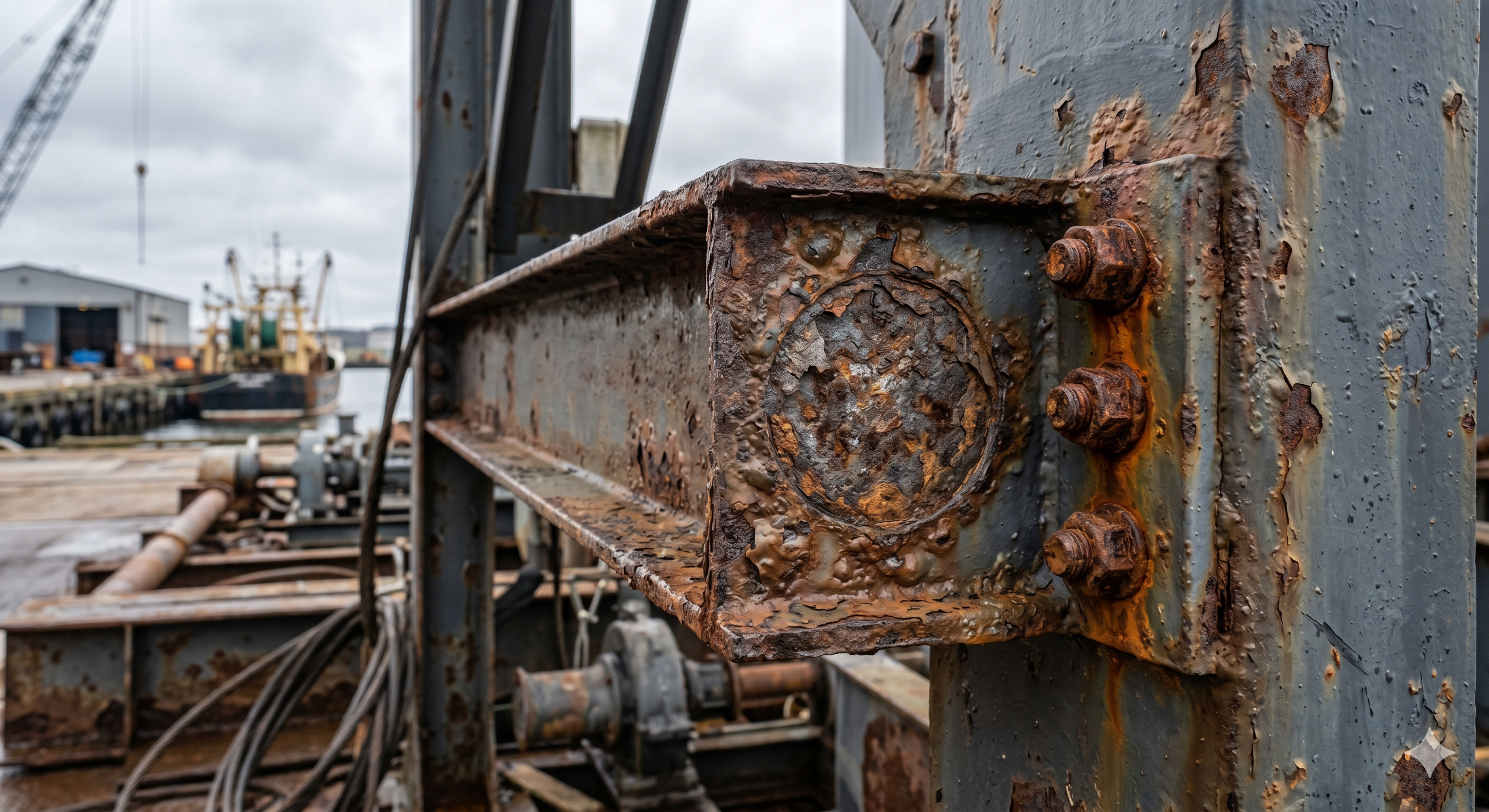
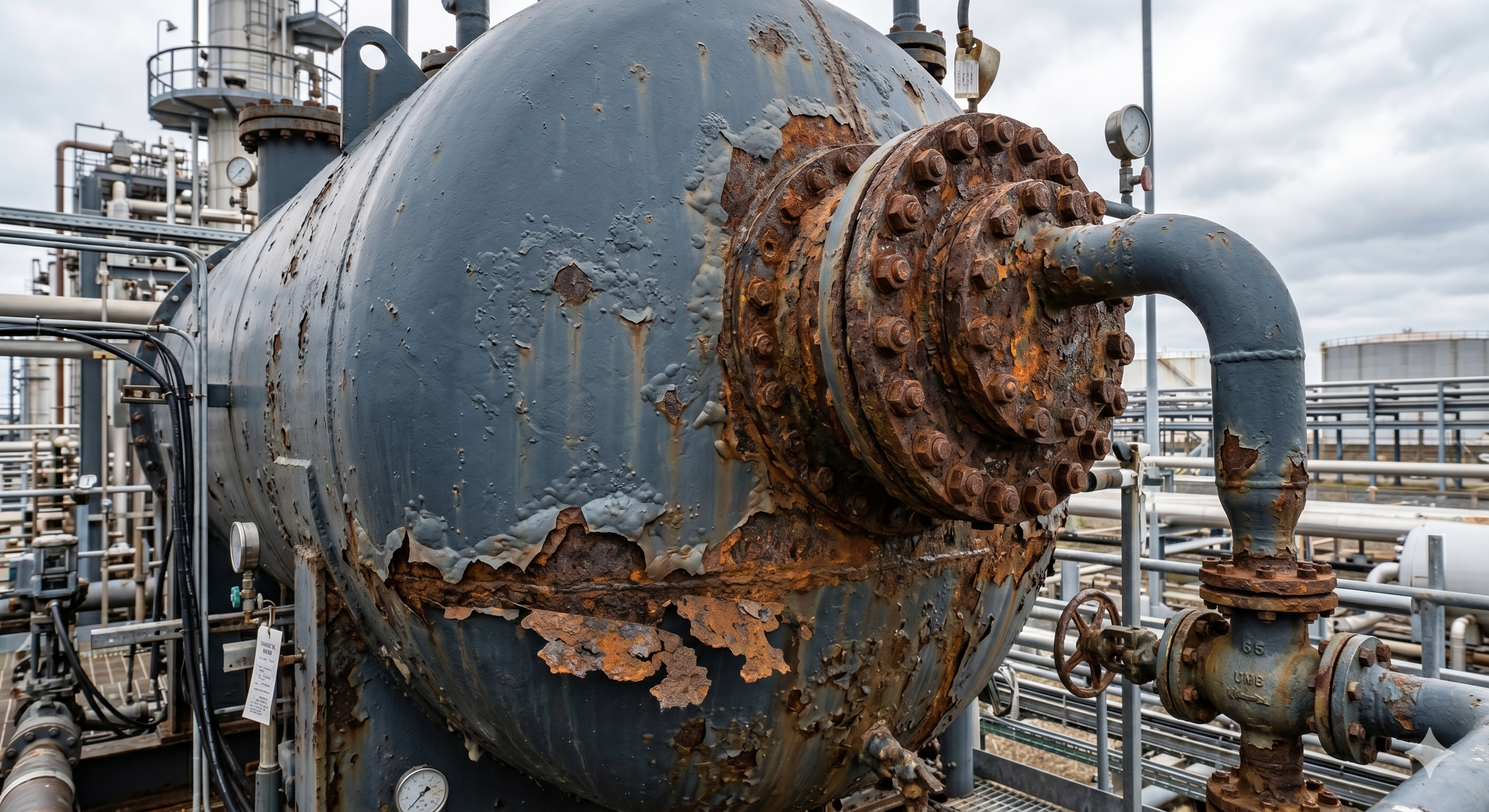
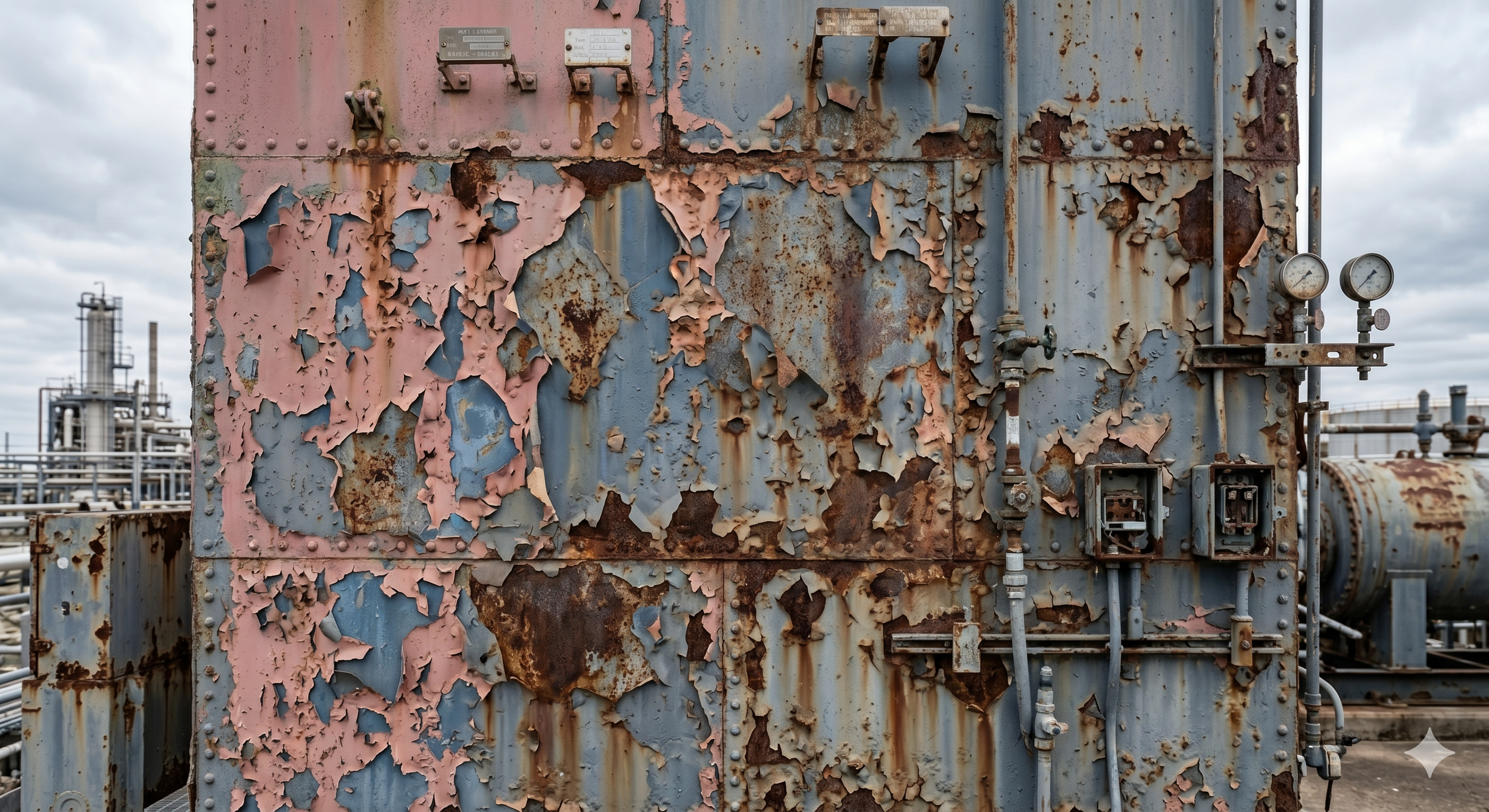

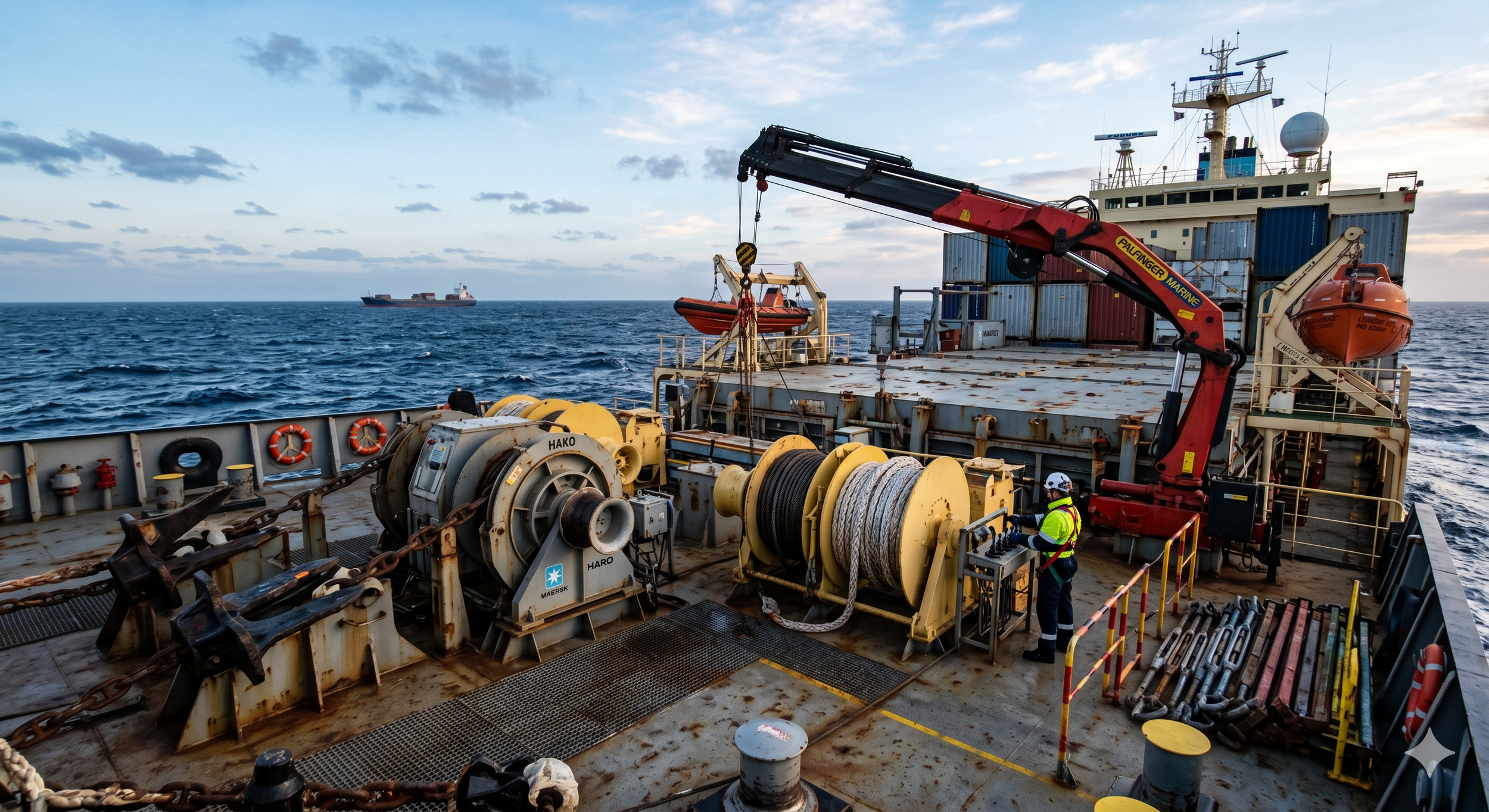
A Cleaner Method for Selected Drydock and Tank Scopes
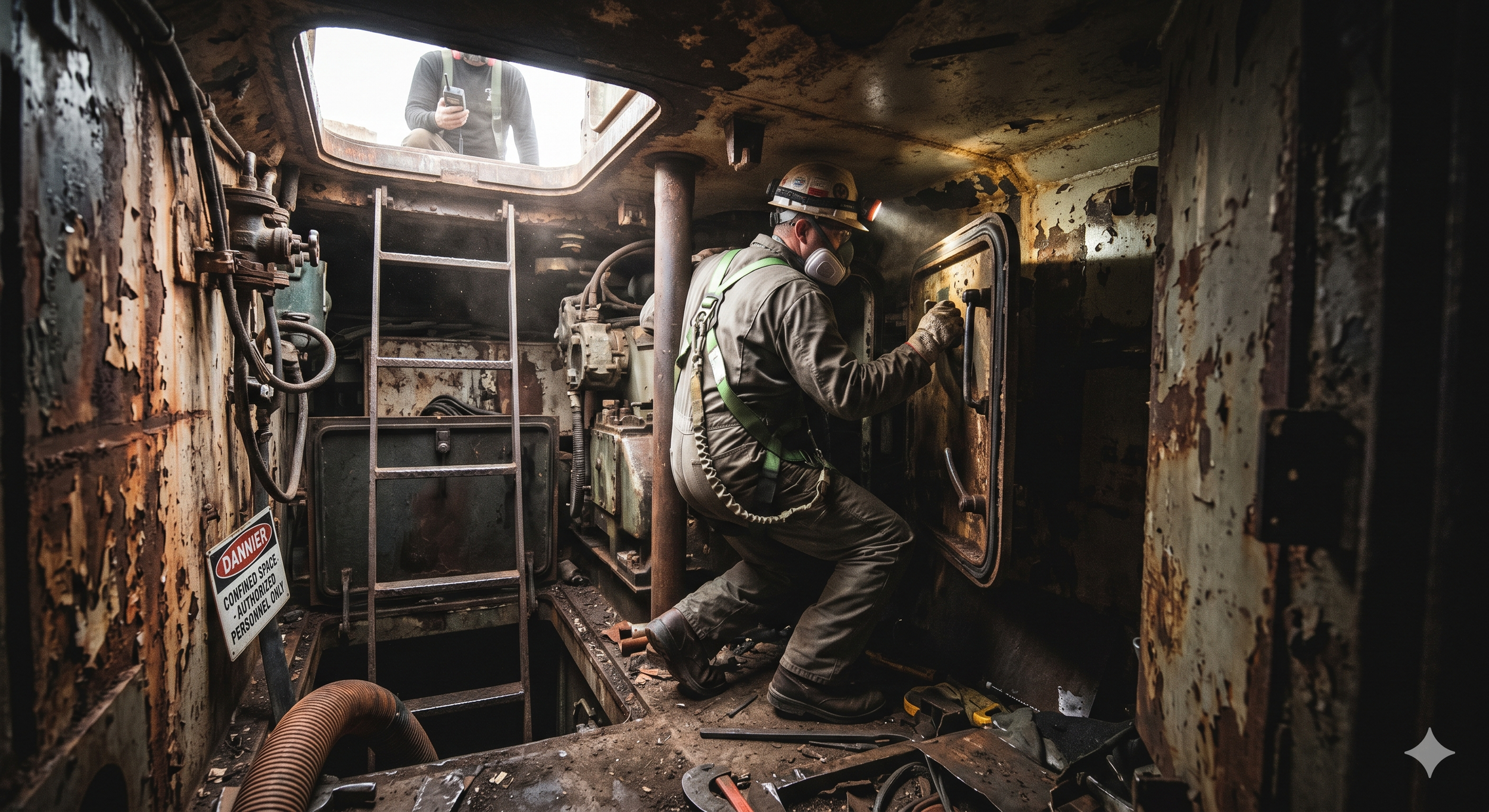
In drydock environments, blasting and waterjetting can be effective on large open surfaces. But inside tanks, confined spaces and local repair areas, the burden around the method can become the problem.
Laser surface preparation can reduce abrasive media, water handling, grit, sludge, cleanup and waste inside the work area.
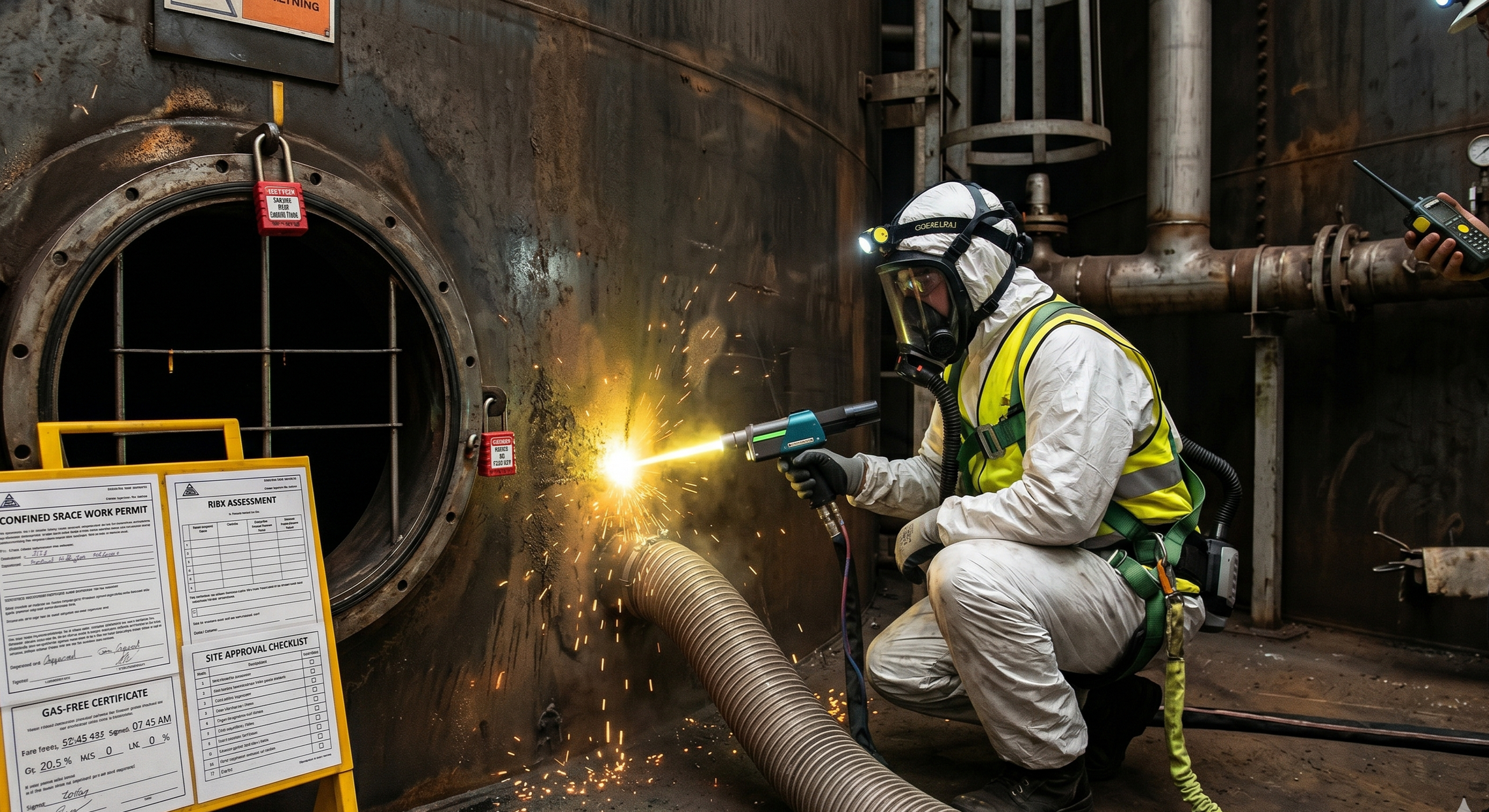
For tanks and confined spaces, laser work must always be performed under controlled conditions, including proper isolation, cleaning, ventilation, gas-free confirmation, work permit, risk assessment and site approval.
No abrasive media inside the tank
Reduced cleanup after surface preparation
Less secondary waste
Controlled local removal
Relevant for gas-free and ventilated tank scopes
Useful before inspection, repair or coating
Not a Replacement for Every Method — A Better Fit for Selected Scopes
Drydocks and industrial operators already use different surface preparation methods depending on the job: abrasive blasting, waterjetting, grinding and mechanical tools.
LaserGT adds another method to the toolbox: zero-abrasive, dry and controlled surface preparation for selected scopes where conventional methods create too much burden around the repair.
Abrasive blasting
Strong for large-area preparation and heavy coating removal.
Challenge: media, dust, containment, cleanup and waste handling.
Waterjetting
Strong for salt removal, coating removal and large surfaces without abrasive media.
Challenge: water handling, wastewater, drying time, sludge and containment.
Laser surface preparation
Strong for local, complex, selective and controlled scopes.
Challenge: best suited for selected scopes, not full-surface replacement.
Built for documented surface preparation
Laser surface preparation must be evaluated against the required surface condition, coating system and acceptance criteria. LaserGT focuses on controlled execution, documented parameters and application-specific qualification.
Surface cleanliness documentation
Roughness / surface profile verification
Salt and contamination assessment where required
Dust and residue control
Thermal monitoring
Before / after documentation
Adhesion and coating acceptance testing
Application-specific qualification path
Coating acceptance must be confirmed for the relevant coating system, substrate and operating environment.
Industrial laser work requires controlled execution
Laser systems must be operated by trained personnel under defined procedures, risk assessments and site-specific safety controls.
For hazardous areas, fuel tanks, chemical tanks or confined spaces, laser work requires proper isolation, cleaning, ventilation, gas-free confirmation, approved work permits and continuous safety control.
LaserGT does not assume Zone II, ATEX or IECEx approval unless the specific equipment holds the relevant certification.
Trained laser operators
Defined work procedures
Laser safety controls
Work permit basis
Risk assessment / SJA
Ventilation and extraction planning
Gas-free requirements for tanks and confined spaces
Site-specific approval
Not for everything. Strong where conventional methods become too heavy.
LaserGT does not position laser surface preparation as a replacement for all blasting or waterjetting.
The value is strongest where the scope is local, complex, access-limited or operationally sensitive — and where conventional methods create more burden than the repair itself justifies.
Key line:
Large open areas may still belong to blasting or waterjetting. Complex local scopes are where laser can change the execution model.
Have a surface preparation scope?
Send us the material, coating system, access conditions, tank status and operating environment. We will assess whether laser is a practical fit — and where it is not.